Guide
Mash cut or smash cut? What the edit means
If you searched for a mash cut, you're almost certainly looking for a smash cut: an abrupt cut from one scene straight into a very different one, with no fade or transition to soften it. Here's what the edit is, how it differs from its neighbours, and why every good ad hook uses the same move.
The short version
- A smash cut is an abrupt cut from one scene to a very different one, with no transition.
- "Mash cut" isn't a standard film term. It's mostly how people spell or search for a smash cut.
- A match cut links shots by what they share; a jump cut skips ahead inside the same shot.
- An ad hook works like a smash cut: the hook ends and the product demo starts, with no intro in between.
- Mashcut is named after that move: it cuts each hook you film straight into your demo.
What is a smash cut?
A smash cut is an abrupt cut from one scene to a very different one, with no transition between them. The contrast is the point: a loud scene cuts to silence, a calm one to chaos, a confident promise to the moment it goes wrong. Editors use it for shock, for comedy, and to wake the viewer up.
Screenplays mark it in the script as SMASH CUT TO:, so the editor knows the jump is meant to feel sudden rather than smooth.
Is a mash cut the same as a smash cut?
Yes, in practice. "Smash cut" is the established film term; "mash cut" isn't one. It's mostly a misspelling or a variant people type when they mean a smash cut. Some creators also say "mash cut effect" for a short-video trend built on the same abrupt jump.
So if a tutorial, a brief or a client asks for a mash cut, they almost always mean a smash cut: a hard cut into something very different, with no transition.
How is a smash cut different from a match cut or a jump cut?
| Cut | What it does | What it feels like |
|---|---|---|
| Smash cut | Jumps to a very different scene with no transition | A jolt: shock or comedy |
| Match cut | Links different shots by a shape, motion or sound they share | A smooth link |
| Jump cut | Skips ahead inside the same shot, from the same angle | Pace, or time passing |
Talking videos use jump cuts all the time, to take out ums and pauses. A smash cut is different: it changes the scene, not just the moment.
How do ad hooks use the same move?
A short-form ad has a moment to earn attention. TikTok's split testing guide (opens in a new tab) treats the opening 2–3 seconds as the hook. A strong hook states the problem or the result, then cuts straight into the product demo: no "hey guys", no intro, no transition.
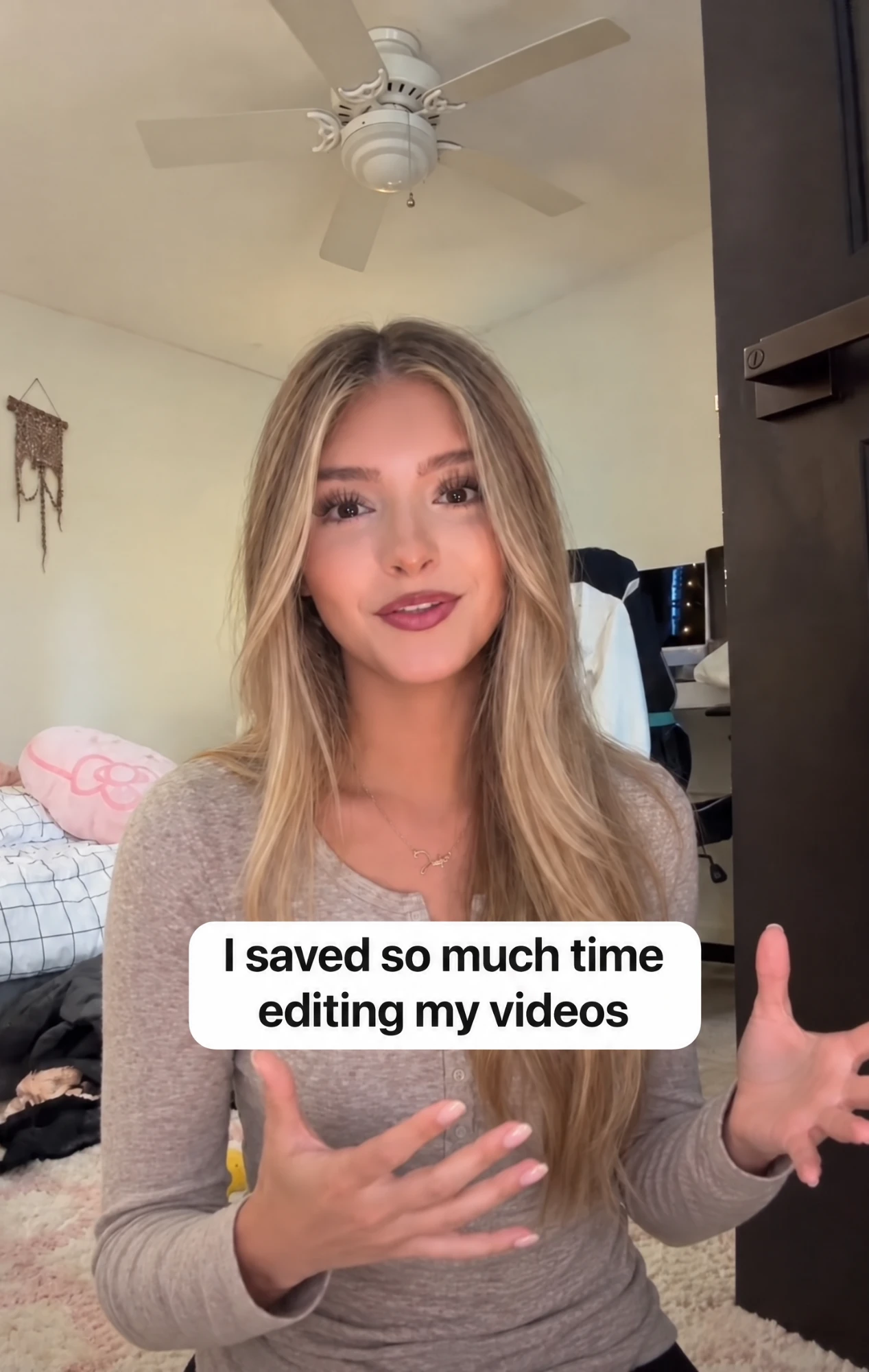
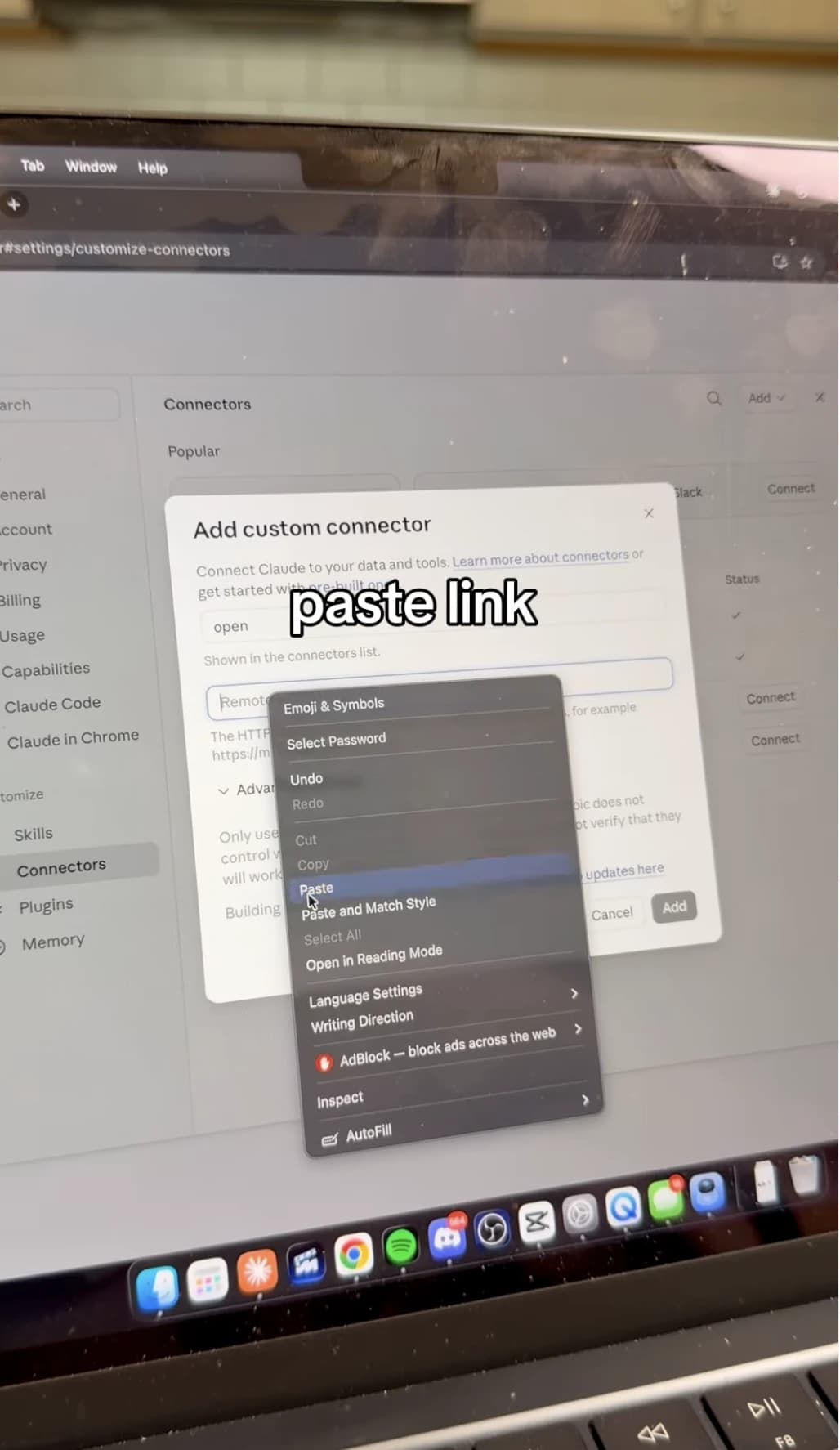
That hard cut is also what makes hooks easy to test. If every version cuts into the same demo, the hook is the only thing that changes, so the winner tells you which opening worked. For the full plan, read how to test hooks from one shoot.
How does Mashcut make the cut for you?
Mashcut, written as one word, is an AI video editor for ads named after the move. You film; it cuts:
- Mix & Match pairs the hooks you filmed with your demo. Each ad opens with a different hook and cuts straight into the demo, up to 5 hooks per Project.
- Auto Edit turns one long take into a set of ads. An ad's hook can be a short line written from something you said, and you can change it before you export.
- Either way, it keeps one take of each line you repeated, cuts the ums and pauses between words, and adds captions from your own words.
Frequently asked questions
Is mash cut a real editing term?
Not a standard one. The film term is "smash cut"; "mash cut" is mostly a misspelling or a search variant of it.
What does SMASH CUT TO mean in a script?
It tells the editor to cut abruptly from one scene into a very different one, with no transition, usually for contrast, shock or comedy.
Why is Mashcut called Mashcut?
Because it's built on the same move: it cuts each hook you film straight into your product demo, with no intro in between, so you can test which opening works.
Your next hook test starts with one shoot
Film your hooks, add your demo and get up to 5 ads back. Try it free for 3 days.